risk based business planning 2 min read
HAZOP Study for Clean Utilities in a Pharmaceutical Production Facility
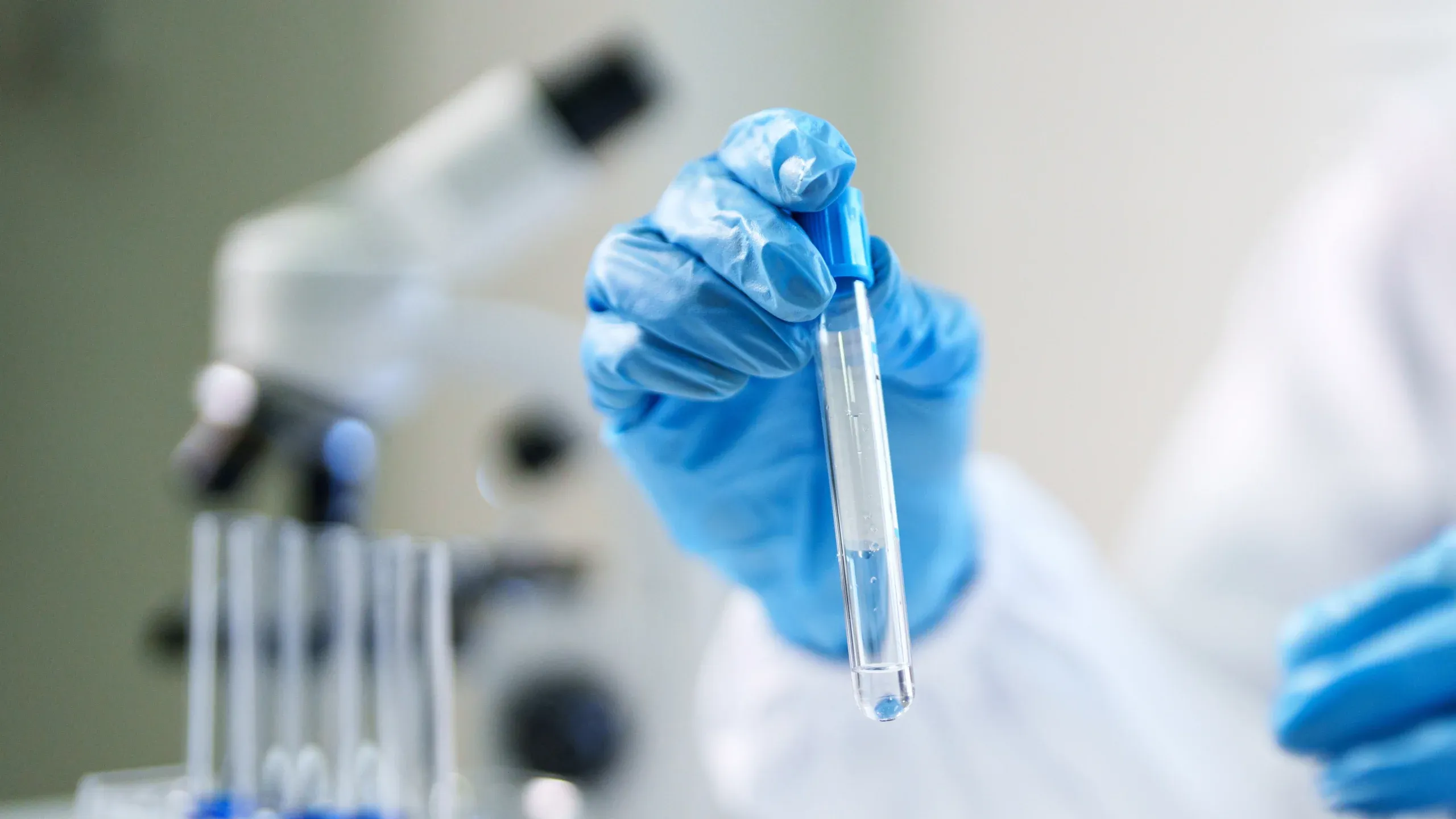
Kwantis has successfully performed a comprehensive Hazard and Operability (HAZOP) study on a clean utilities package supporting a pharmaceutical manufacturing facility specialized in the production of high-value therapeutics. The scope of the study focused on the generation and distribution of purified water, a critical utility directly impacting product quality, process reliability, and regulatory compliance.
The activity was carried out on behalf of a leading global independent risk management and assurance organization, known for its expertise in certification, inspection, cybersecurity, and sustainability services.
Project Context
In pharmaceutical manufacturing, purified water systems are classified as critical utilities due to their direct interaction with production processes. Any deviation in quality, flow, pressure, or temperature can result in product contamination, batch rejection, or operational disruptions.
The HAZOP study was therefore aimed at systematically identifying potential hazards and operability issues associated with the clean utility system, ensuring that risks were understood, evaluated, and managed in line with industry best practices.
HAZOP Methodology and Study Execution
The HAZOP study was carried out using a structured and systematic approach aligned with industry best practices, combining thorough preparation with facilitated multidisciplinary workshops. Following a clear definition of scope and the development of a detailed Terms of Reference (TOR), the analysis was conducted node-by-node, where the design intent of each system section was examined using standard guidewords such as No, More, Less, and Reverse to identify potential deviations. For each deviation, the team collaboratively assessed possible causes, associated consequences, existing safeguards, and corresponding risk levels based on an agreed risk matrix. Key process parameters – including flow, pressure, temperature, and level- were systematically reviewed, ensuring a comprehensive evaluation of both normal and abnormal operating conditions. The process followed an iterative, structured brainstorming logic and continued until all relevant scenarios were fully assessed, with clear recommendations defined to enhance safety, operability, and system robustness.
Risk Assessment and Assumptions
Each identified scenario was evaluated using a qualitative risk matrix to determine its severity and likelihood. This allowed prioritization of actions and alignment with risk acceptance criteria.
Actions ranged from safety and design actions related to additional pressure protections, and valve management, as well as requirement for additional standard operating maintenance procedures.
The analysis was guided by specific assumptions, including:
-
Consideration of credible single-failure scenarios
-
Limited inclusion of simultaneous independent failures (double jeopardy) unless justified
-
Recognition of alarms as safeguards only when sufficient response time is available
-
Exclusion of non-process-related hazards (e.g., occupational safety issues)
A clear hierarchy of risk reduction measures was applied, ensuring that recommendations focused on effective and reliable safeguards.
Value Delivered
Through this HAZOP study, Kwantis enabled:
-
Early identification of potential process and operability issues
-
Strengthening of system safety and reliability
-
Improved robustness of purified water generation and distribution
-
Alignment with regulatory expectations and industry standards
The structured and collaborative approach ensured that all relevant technical perspectives were captured, providing a solid foundation for safe and efficient pharmaceutical operations.