Emissions Monitoring
Optimizing Rig Emissions Through Real-Time Monitoring
- Client
- Drilling Contractor
- Country
- United Arab Emirates
- Year
- 2024
- Industry
- Oil & Gas
- Service
- Industrial Data and AI
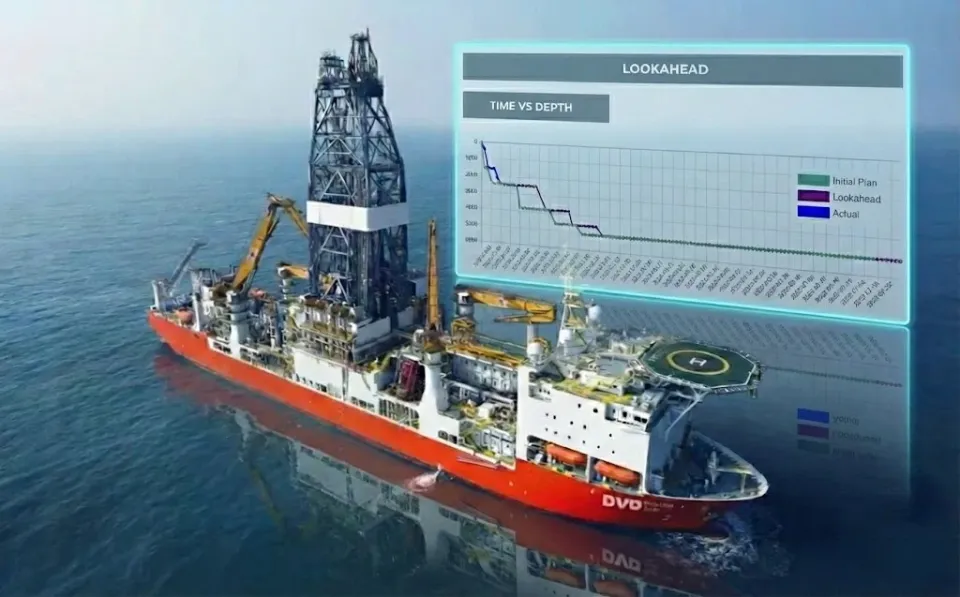
Offshore batch drilling burns a lot of fuel, and engine loads swing as rig activities overlap. For a drilling contractor, ID3 Software used real-time monitoring of the rig's existing systems and data to help crews cut fuel use and emissions.
The challenge
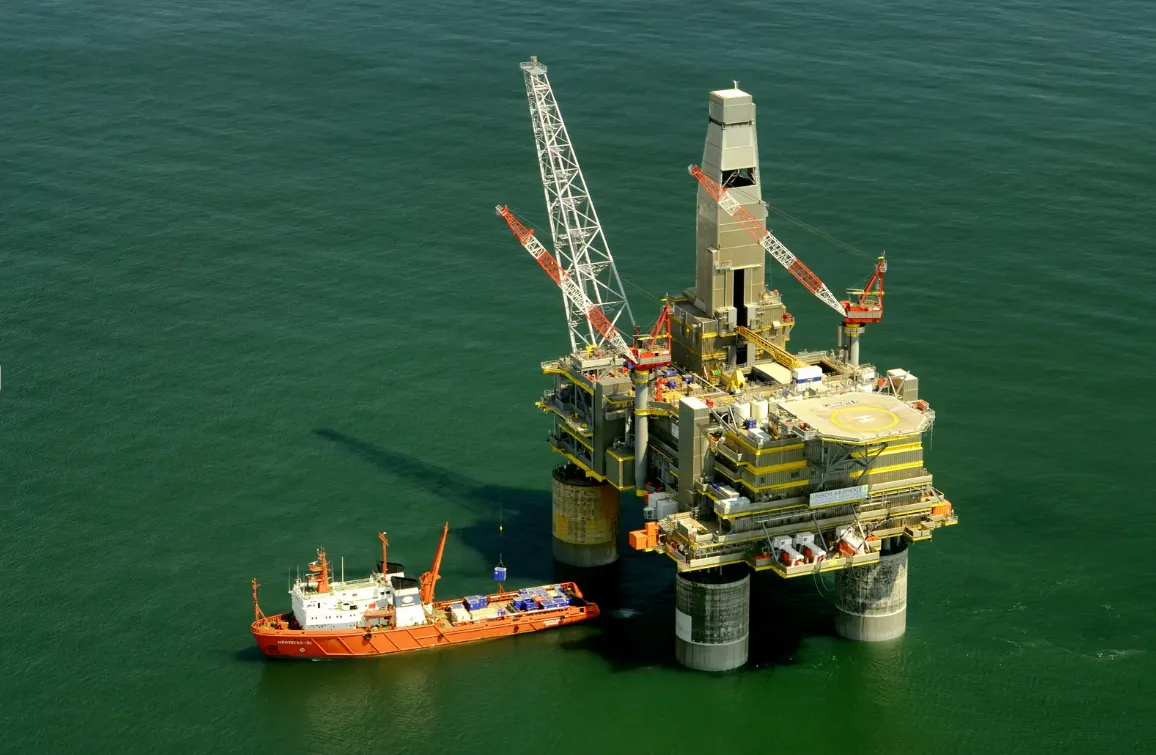
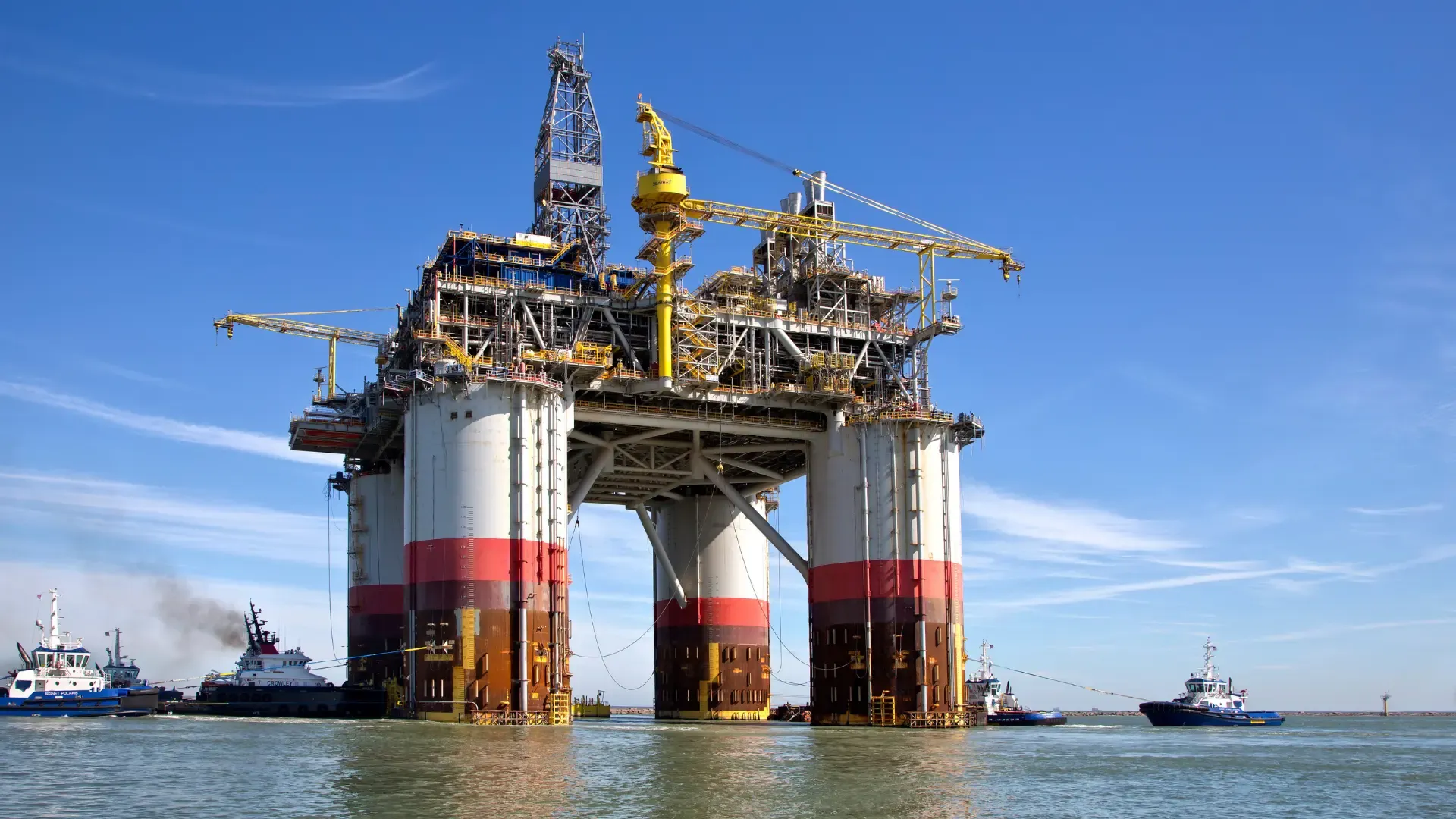
Offshore drilling, and ultra-fast batch drilling in particular, needs a lot of power and fuel. Several rig activities run at the same time, so engine loads can change considerably, and it is hard to optimize energy use without affecting safety or performance.
Emerging decarbonization technologies have potential, but many are limited in scope or not yet adopted at scale. The project therefore aimed at immediate improvements, through better use of the rig’s existing systems and operational data.
Our approach
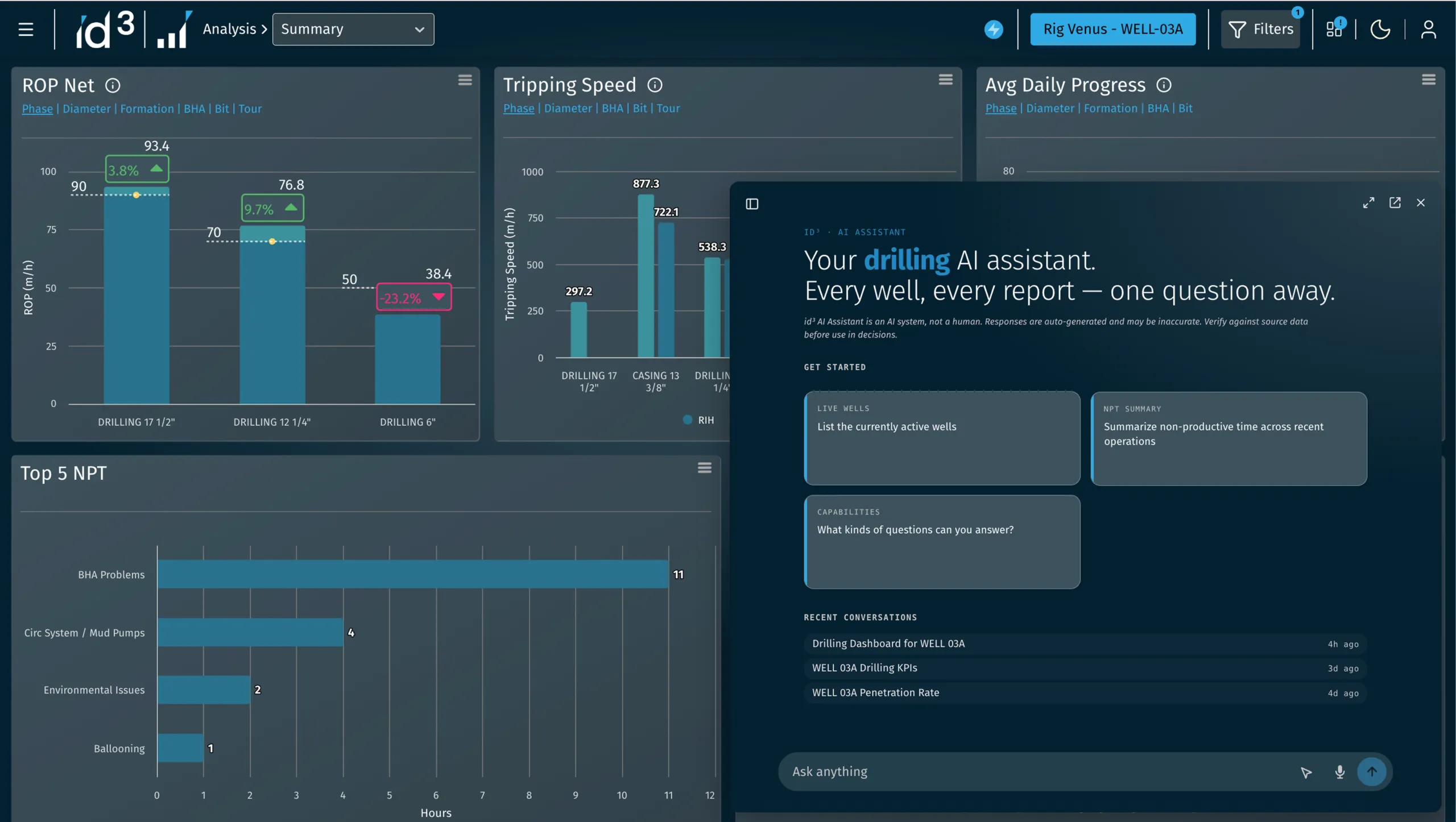
Working with a leading drilling contractor, ID3 Software developed a data-driven approach based on real-time visualization, KPI analysis and automated alerts. The system continuously monitored:
- Engine load
- Fuel consumption
- Greenhouse gas emissions
- Power demand and operating deviations
The information was presented in an accessible format, giving rig crews immediate insight into energy performance. Automated alerts highlighted the conditions that needed attention, so operators could adjust engine use, reduce unnecessary fuel consumption and address inefficiencies quickly.
The system was designed to support crew expertise, not to replace it. Operators kept responsibility for final decisions, based on safety, reliability and operational requirements.
The outcome
The approach was applied during a 20-well batch drilling program and showed significant improvements in fuel efficiency and emissions performance. Real-time monitoring helped the operation:
- Optimize engine loading as power demand changed
- Reduce unnecessary fuel consumption
- Lower the associated greenhouse gas emissions
- Identify performance deviations more quickly
- Connect sustainability targets with daily operational decisions
The project showed that existing equipment, combined with better data visibility and informed decisions, can deliver meaningful environmental improvements. Continuous monitoring, automated alerts and the crew’s expertise together turned emissions management into an active part of daily operations, and a practical path toward more efficient and environmentally responsible drilling.
Next steps
The next phase will develop algorithms that recommend engine optimization strategies. An enhanced alerting system will deliver these recommendations directly to rig crews, who keep final decision-making authority.
The long-term objective is a Smart Rig Power Management Plan that coordinates energy use across all rig operations, to improve efficiency, reduce emissions and support more sustainable offshore drilling.